


Polin Travel is a firm and research center created out of a passion for guiding, history and genealogy. This is the first project in Central Europe combining those three fields in order to provide high quality, individual travel and research services for visitors with different backgrounds and expectations. The firm was created in 2000 in Cracow and has been directed since then by Tomasz Cebulski, Ph.D.
We specialize in Jewish guiding and genealogy services in Poland but we also work in other fields like Christian genealogy in Poland and regular private, expert-guided tours to most popular travel destinations around Cracow and Central Europe. We have special academically designed travel itineraries to Auschwitz-Birkenau Museum, Cracow, Kazimierz, Wieliczka Salt Mine and the majority of Jewish heritage and Holocaust-related sites in Poland. We guide our tours and lead genealogical research mainly in Poland and former Galicia territory (nowadays partly in Ukraine). Our guiding and genealogy research services also cover the territories of Slovakia, Czech Republic, Germany, Lithuania, Ukraine and other countries of Central Europe. We have a broad range of experts in tourism, research and education in Central Europe to be able to customize your tour and provide an unforgettable and enlightening travel opportunity.
Last years brought us a lot of experience with different projects starting with Jewish genealogical researches for individual families, through projects for families of Holocaust survivors, finishing on large, student field tours focusing on Holocaust and minorities heritage in Europe. Among our clients and partners, we have universities, museums, high schools or Jewish communities from the USA, Canada, Great Britain and Israel. All our tours and research projects are tailor-made and are privately guided because we believe in quality, not quantity. Quality, which was valued by many of our former guests who had decided to use our services: Oprah Winfrey, Elie Wiesel, Steven Pinker among the others.

RECOMMENDED PRIVATE TOURS AND STUDY TRIPS
Private, individually guided tour of Auschwitz-Birkenau, Cracow Ghetto, Schindler's Factory and Plaszow Camp.
Years of experience have thought us about different motivations of visitors coming to see Auschwitz-Birkenau. Noticing the serious drawbacks of growing mass touristic visits we decided to offer one-day private tours of Auschwitz, according to our academically developed and experience-based itinerary.
Private, individually guided tour of Cracow, Kazimierz, Cracow Ghetto and Schindler's Factory.
There is much about Cracow and Kazimierz which is conceived from the eyes of visitors in the city's history, legends and atmosphere. A good guide on a well-conducted tour can easily unveil this invisible dimension.
Private, individually guided tour of Polish Shtetls.
One day tour itinerary based on the splendid history of Jewish communities in Poland and Galicia. Villages and cities which before WW II were the very essence of Jewish life in Poland are now waiting to be re-discovered.
Private, individually guided tour of Lublin / Majdanek and Action Reinhard Death Camps of Treblinka, Bełzec and Sobibor.
The three death camps of Treblinka, Belzec and Sobibor represent the ultimate evil of the German Nazis and the ultimate destruction of Polish Jewry. Those places are often scarcely known about because the Nazis did their best so that we would not remember them.
You can find more travel itineraries at TOURS, SITES, PAST PROJECTS or HOLOCAUST EDUCATION and JEWISH HERITAGE AND HOLOCAUST TRAVEL MAP OF POLAND.
NEWS FROM POLAND CRACOW AND GALICIA
-
From T4 through Action Reinhardt to Risiera di San Sabba
Aug 17, 2022 | 09:50 am
Read more...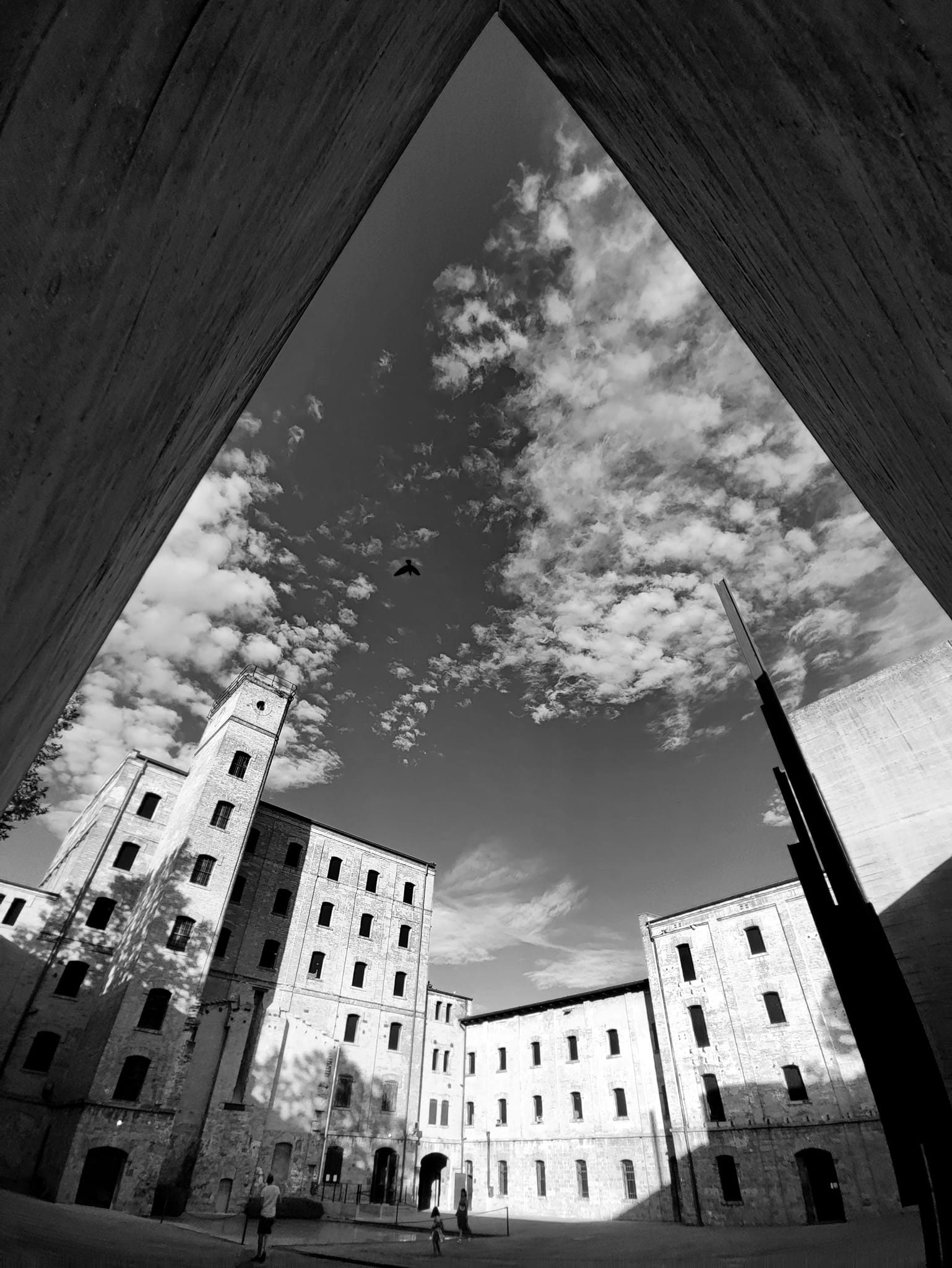 RISIERA DI SAN SABBA 79 years ago the sites of mass murder within Action Reinhardt were gradually being closed and taken apart. Belzec, Sobibor, and Treblinka death camps finished what they were created for, the mass murder of Jewish communities. The German perpetrators in the late summer of 1943 were dismantling the primitive camp's structures to deny those ever existed and recoin this denial into silence and after-war impunity. In such circumstances, the revolts of Sondercommandos in Treblinka and[…]
 -
How to apologize without apologizing? Antisemitism in Russia and the number of Holocaust victims.
May 13, 2022 | 20:51 pm
Read more... Can apology become hybrid warfare at the front of the politics of memory? Have 40 % of the USSR Jews become the victims of the Holocaust? President Putin apologized to PM Bennett in a way so that there is no trace of such an apology in the Kremlin or Russian news outlets. They mention the Israeli Independence Day phone call by Putin but as of May 6th deny any apology. The Russian FM Lavrov’s antisemitic remarks on May 1st were[…]
 -
Life rope for Ukraine – from sprint run into marathon relay race.
Apr 25, 2022 | 16:28 pm
Read more...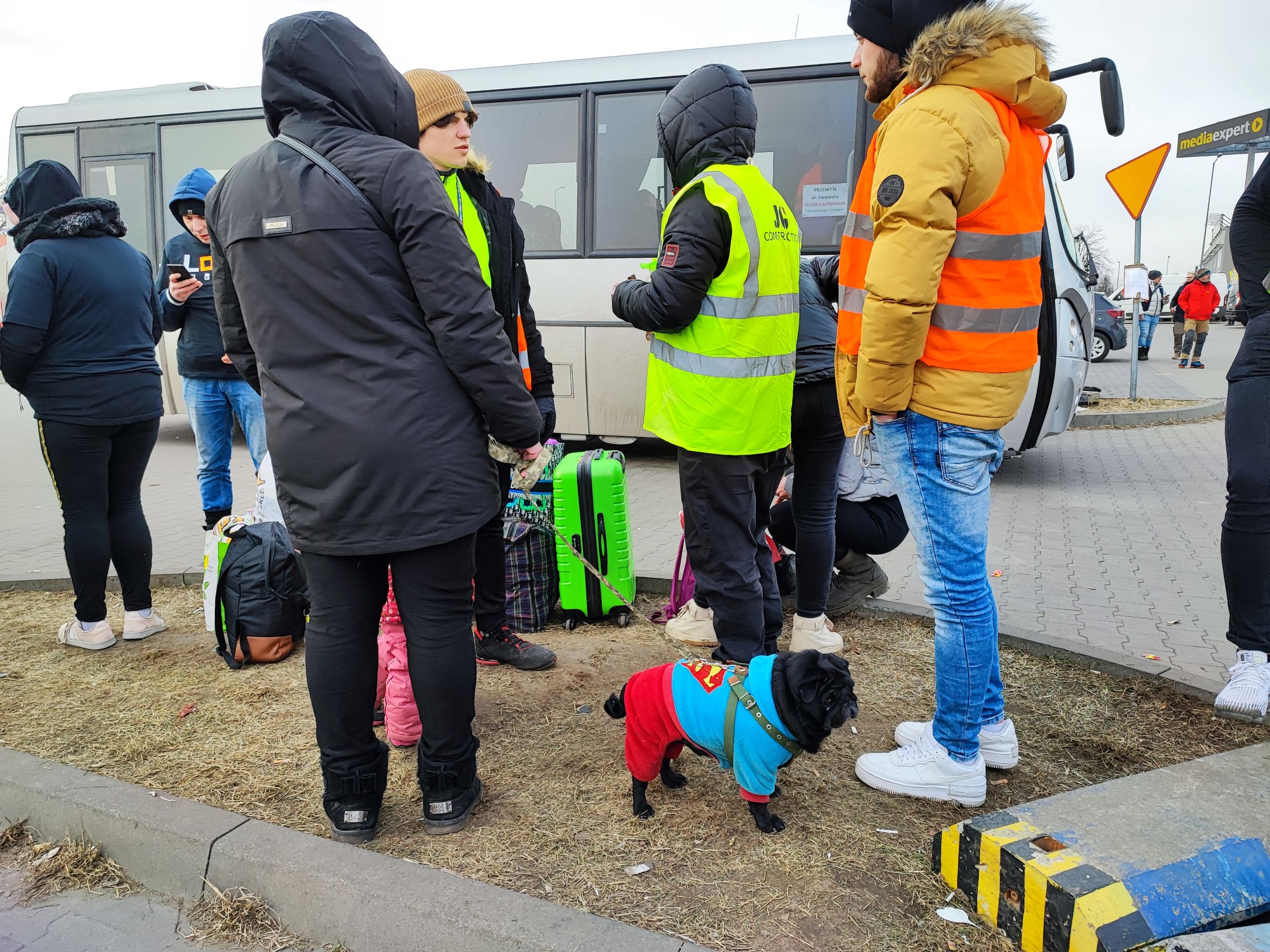 It started with a sprint and goes into a marathon relay race. What have we learned after a month of the Russian war in Ukraine? Is there something that we didn’t know before? On February 24th, 2022 everybody seemed to be in the starting blocks. There was no space for the intricacies of a starter pistol. At 05:00 AM Russia gave the signal to run with ballistic missiles fired at Ukrainian airports and heavy artillery shelling at the[…]
 -
11 STAGES app - raising awareness on genocides and Holocaust
Apr 25, 2022 | 11:30 am
Read more...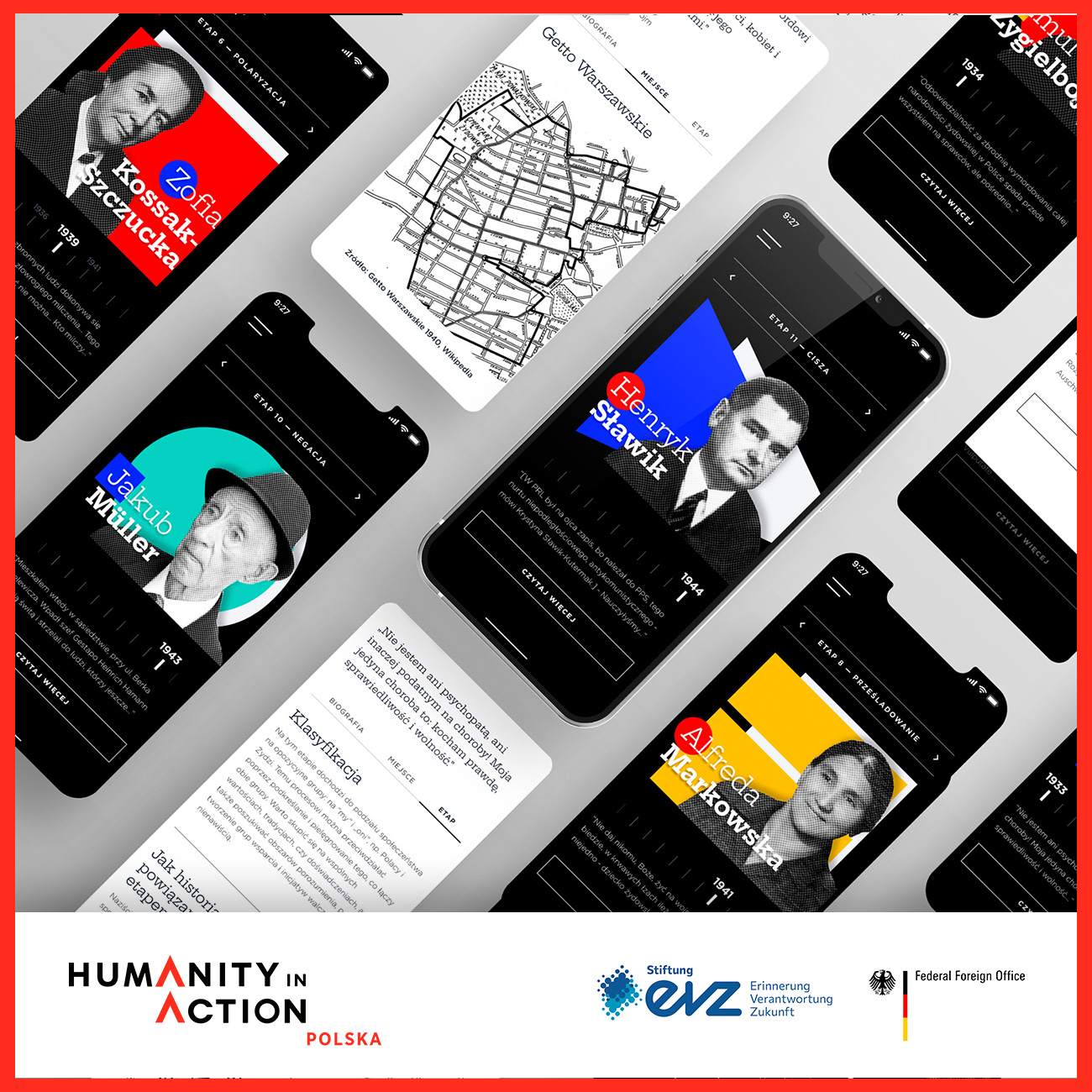 11 STAGES app is ready to be used in school education and planning visits to historical sites. CEO of Polin Travel is proud to announce to co-author the concept and produce most of the content of the 11 STAGES app. Tomasz Cebulski was also a scientific supervisor of the project. The app has been developed since 2020 in cooperation with Humanity in Action Polska and Sky Heritage Pictures. The project was supported by the EVZ Foundation. The app presents[…]
 -
A Taste of Jewish Genealogy: Journey with a Polish Scholar - Tomasz Cebulski Ph.D.
May 6, 2021 | 19:06 pm
Read more... Tomasz Cebulski Ph.D., the man behind Polin Travel and Heritage Sky Pictures, has spent the last 20 years perfecting his knowledge on archival resources in Poland and Central Europe. He will be joining us live from Krakow to present this introductory program on why, when, and how to conduct genealogy research. Tomasz will share his favorite online resources before demonstrating how he combines research, maps, photo, video and drone documentation into short documentary films. Together, we will take a virtual[…]
 -
78th Anniversary of the Warsaw Ghetto Uprising - T.Cebulski lecture on Auschwitz Sonderkommando Revolt in 1944.
Apr 19, 2021 | 12:01 pm
Read more...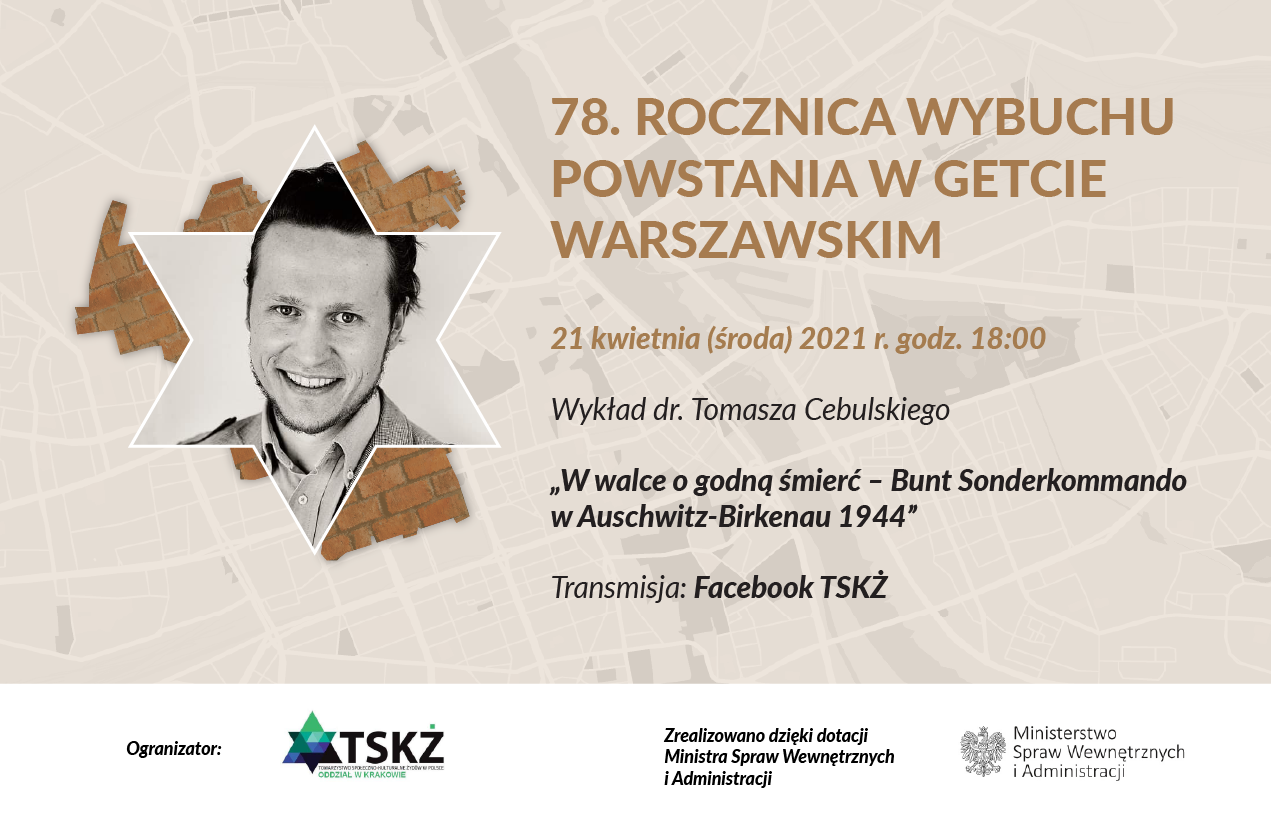 On October 7, 1944, a revolt broke out in the Birkenau camp, organized by prisoners of the so-called Sonderkommando, involved in burning the corpses of people murdered in the gas chambers. The so- called Sonderkommandos were the last circle of the hell of the Nazi extermination camps. This Wednesday, April 21 at 6 p.m. we invite you to a lecture by Dr. Tomasz Cebulski - "In the fight for a dignified death - the revolt of the Sonderkommando in[…]
 -
The last victims of Auschwitz — Gideon Klein. Dr T.Cebulski and Dr D.Fligg in conversation.
Jan 30, 2021 | 10:06 am
Read more...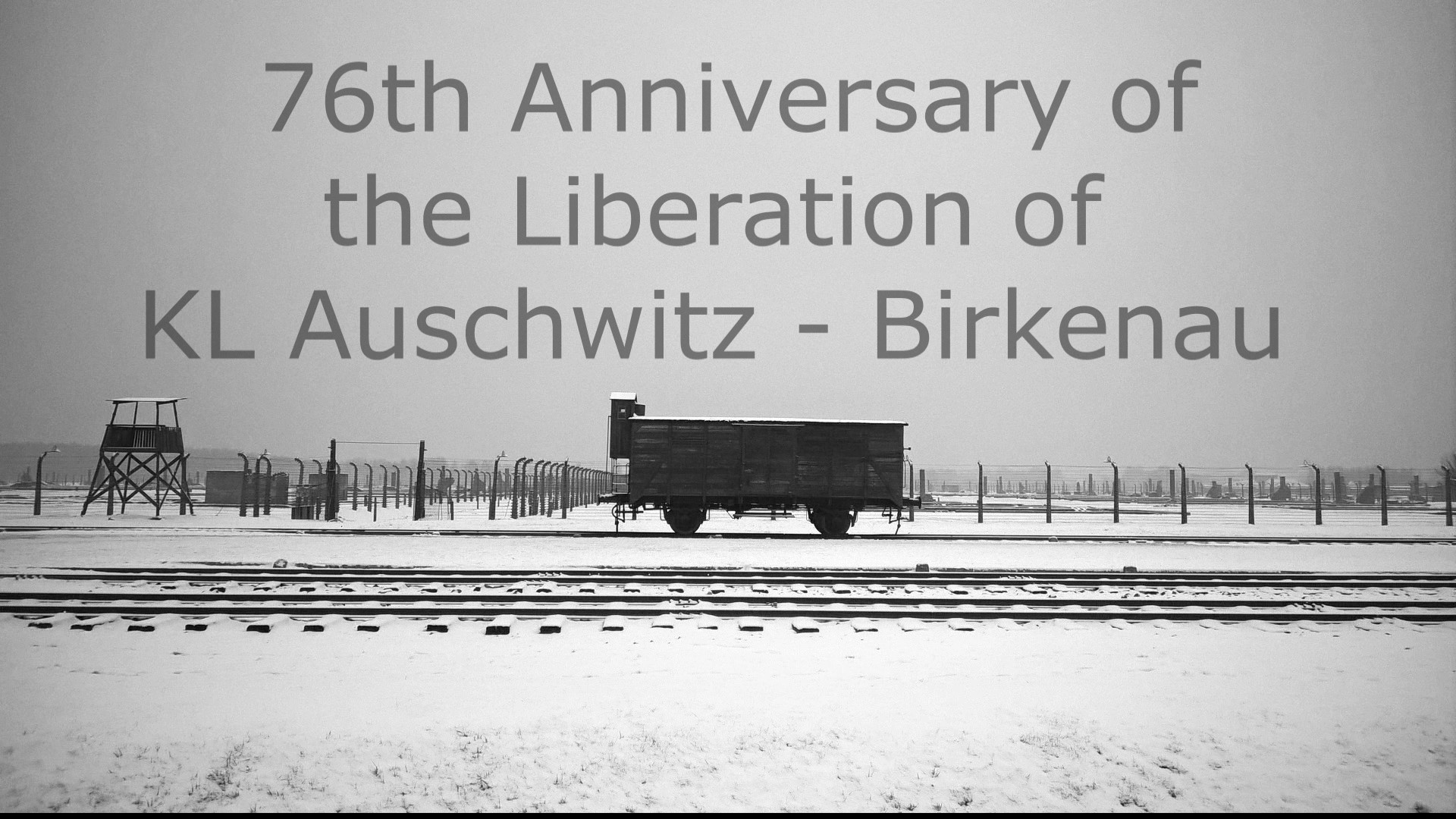 January 27, 1945, the date of liberation of Auschwitz- Birkenau is remembered today as the International Holocaust Remembrance Day. Ironically this date didn’t mean freedom for most of the Auschwitz inmates, two weeks earlier they were forced into the death marches direction west. For those who will survive march, transportation, chaos, new camp registration freedom will come only in April , May 1945. January 27, 1945 for the German-Nazis was yet another day for covering up the evidence of Auschwitz[…]
 -
AUSCHWITZ LIBERATION WITHOUT FREEDOM - 76th Anniversary of Auschwitz Liberation.
Jan 23, 2021 | 12:40 pm
Read more...
January 17th , 1945 was the day of the last roll call in Auschwitz system . Over 67.000 prisoners of which close to 19.000 of women and over 48.000 of man were counted still alive. The next few days till January 21st were marked with a hectic evacuation of Auschwitz inmates direction west. In over 40 subcamps of Auschwitz scattered in southern Poland the SS guards formed a human chain of 56.000 of inmates and forced them to march for[…] -
Tourism in the times of COVID and SKY HERITAGE PICTURES as response.
Sep 21, 2020 | 09:52 am
Read more... Sky Heritage Pictures is the new initiative of Polin Travel to show historical and Holocaust sites in form of innovative documentary films. or at : https://www.youtube.com/watch?v=xjr8CpauwwM Tourism in the age of Coronavirus resembled the seven stages of grief. March was about shock and denial. Observing the next and next countries closing their borders and air traffic coming to an almost complete standstill is not something that a person working in the travel industry expects in spring. Especially those working[…]
Get more ideas on what to do on the Krakow Travel Guide.